
PERTS Elevate
PERTS Elevate Resource Library
Explore the learning conditions you can measure with Elevate and the research-based practices that can improve them.
 Elevate measures · PDF
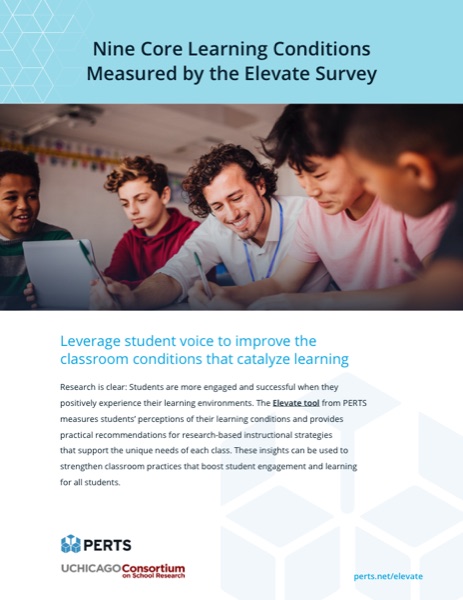
Nine Core Learning Conditions Measured by the Elevate Survey
Elevate measures · PDF
Nine Core Learning Conditions Measured by the Elevate Survey
Practices
33 practices


 Addressing Challenging Behavior
This practice offers strategies to help maintain your own growth mindset when addressing challenging behavior.
Addressing Challenging Behavior
This practice offers strategies to help maintain your own growth mindset when addressing challenging behavior.
 1:22
Analyzing Exit Tickets
Use exit tickets to adjust the next lesson and provide students an opportunity to revise their exit ticket based on what they learned.
1:22
Analyzing Exit Tickets
Use exit tickets to adjust the next lesson and provide students an opportunity to revise their exit ticket based on what they learned.


 Anticipation Guide
A simple exercise to activate studentsʼ prior knowledge, build curiosity, and set a purpose for a lesson.
Anticipation Guide
A simple exercise to activate studentsʼ prior knowledge, build curiosity, and set a purpose for a lesson.
 Assessment Choice
Give students meaningful decision-making power in the classroom and ownership over their learning by allowing them to make choices about how they demonstrate mastery.
Assessment Choice
Give students meaningful decision-making power in the classroom and ownership over their learning by allowing them to make choices about how they demonstrate mastery.
 1:13
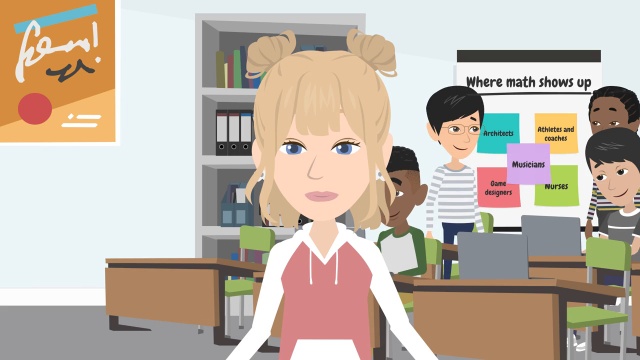
Career Connections
Guide students to connect what they are currently learning in math to real careers related to their interests.
1:13
Career Connections
Guide students to connect what they are currently learning in math to real careers related to their interests.

 Chalk Talk
Students communicate with each other silently through writing, drawing, diagramming, or other written strategies.
Chalk Talk
Students communicate with each other silently through writing, drawing, diagramming, or other written strategies.
 Class Organization Meeting
Learn directly from students what they feel they need to be successful in your class from an organizational standpoint in order to remove barriers to learning.
Class Organization Meeting
Learn directly from students what they feel they need to be successful in your class from an organizational standpoint in order to remove barriers to learning.
 Classroom Circles
Build trust and connections among students through a routine of engaging in classroom conversations and discussions using a classroom circles protocol.
Classroom Circles
Build trust and connections among students through a routine of engaging in classroom conversations and discussions using a classroom circles protocol.
 1:01
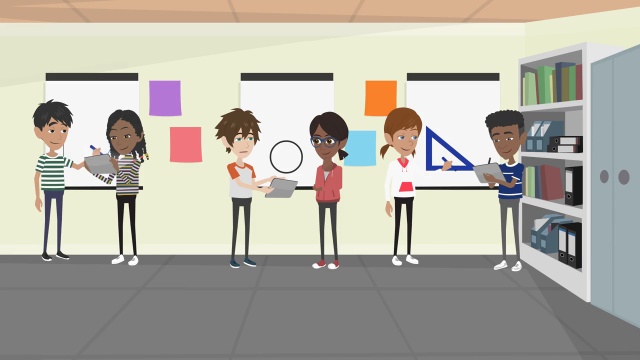
Collaborative Whiteboards
Students co-construct solutions in real-time with a partner or small group, engaging in discussion, teamwork, and rich math reasoning.
Constructivist Listening Activity
Give students the opportunity to be heard and become better listeners through Constructivist Listening.
1:01
Collaborative Whiteboards
Students co-construct solutions in real-time with a partner or small group, engaging in discussion, teamwork, and rich math reasoning.
Constructivist Listening Activity
Give students the opportunity to be heard and become better listeners through Constructivist Listening.

 Content Area Exemplars
Provide students with examples of experts and role models who reflect a diversity of identities to invalidate stereotypes and ensure all students can see themselves in the curriculum.
Content Area Exemplars
Provide students with examples of experts and role models who reflect a diversity of identities to invalidate stereotypes and ensure all students can see themselves in the curriculum.
 1:45
Designing with Math
A project-based learning strategy that invites students to apply mathematical concepts through real-world design challenges.
1:45
Designing with Math
A project-based learning strategy that invites students to apply mathematical concepts through real-world design challenges.
 1:03
Diagnosing Errors
Help students learn from mistakes by analyzing incorrect solutions, discussing misconceptions, and explaining corrections.
Everything We Have in Common Activity
A simple activity to regularly gather information from students about their lives and interests, and sharing about your own, signals to students that you care about them.
Exit Ticket to Do Now Cycle
Give students the opportunity to demonstrate their learning and address any misconceptions in a timely manner.
1:03
Diagnosing Errors
Help students learn from mistakes by analyzing incorrect solutions, discussing misconceptions, and explaining corrections.
Everything We Have in Common Activity
A simple activity to regularly gather information from students about their lives and interests, and sharing about your own, signals to students that you care about them.
Exit Ticket to Do Now Cycle
Give students the opportunity to demonstrate their learning and address any misconceptions in a timely manner.
 Fist to Five
A quick and easy way to get a sense of studentsʼ understanding of each lesson and clarify misunderstandings in real time.
Fist to Five
A quick and easy way to get a sense of studentsʼ understanding of each lesson and clarify misunderstandings in real time.
 1:41
Game-Based Math Learning
Integrate short, structured games and puzzles into lessons to build math reasoning skills, fluency, and math enjoyment.
Highlight Mistakes
Help students prioritize their understanding of the content rather than anxiety over their performance or grade.
Increasing Student Choice
Incorporate a new opportunity for student choice in your classroom so that students feel more invested and engaged in their work
Invite Students to Use Feedback Protocols
Teach students to give and receive meaningful feedback.
K-W-L Charts
Gauge students' background knowledge and interest in a topic or concept.
1:41
Game-Based Math Learning
Integrate short, structured games and puzzles into lessons to build math reasoning skills, fluency, and math enjoyment.
Highlight Mistakes
Help students prioritize their understanding of the content rather than anxiety over their performance or grade.
Increasing Student Choice
Incorporate a new opportunity for student choice in your classroom so that students feel more invested and engaged in their work
Invite Students to Use Feedback Protocols
Teach students to give and receive meaningful feedback.
K-W-L Charts
Gauge students' background knowledge and interest in a topic or concept.
 1:43
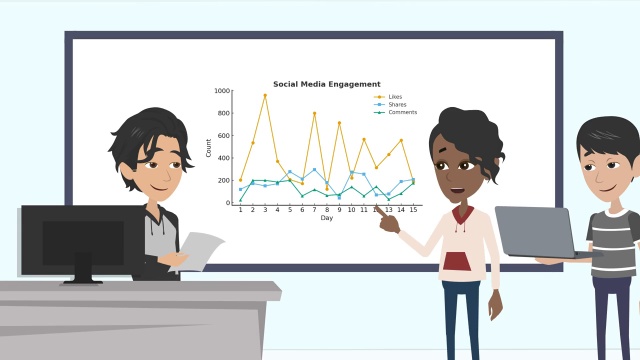
Making Math Matter: Using Real-World Data
Help students explore meaningful questions and apply newly learned math concepts using authentic data.
1:43
Making Math Matter: Using Real-World Data
Help students explore meaningful questions and apply newly learned math concepts using authentic data.
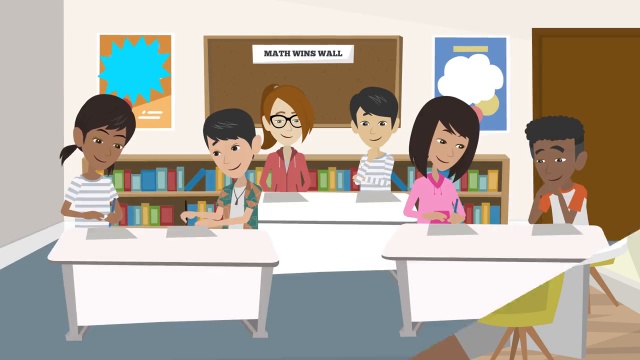 1:16
Math Celebrations
Invite students to write brief shoutouts celebrating the growth, progress, learning, and support of their peers.
1:16
Math Celebrations
Invite students to write brief shoutouts celebrating the growth, progress, learning, and support of their peers.
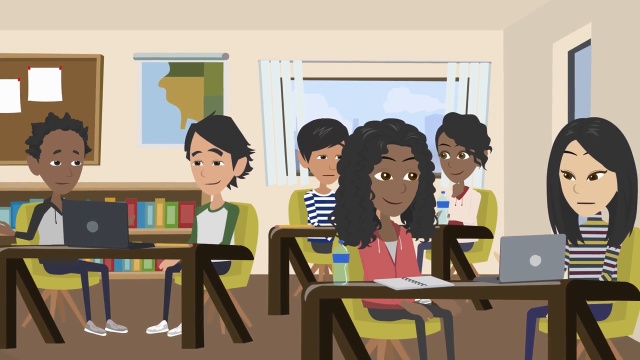 1:58
Math Conversations
Students take on defined roles in pairs or groups to explain their reasoning, give feedback, and engage in meaningful dialogue.
1:58
Math Conversations
Students take on defined roles in pairs or groups to explain their reasoning, give feedback, and engage in meaningful dialogue.
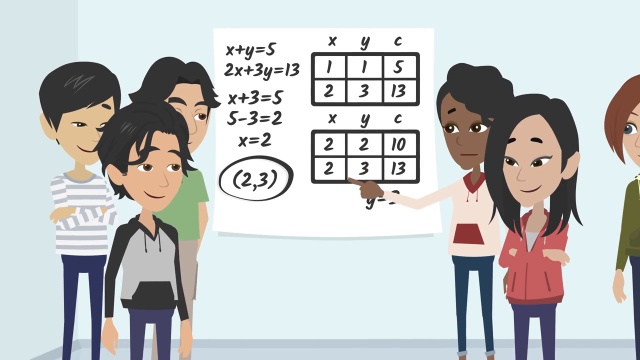 1:26
Math Gallery Walk
Students work in groups to solve a rich problem and create a visual display of their thinking, then rotate around the room to learn from other groups.
1:26
Math Gallery Walk
Students work in groups to solve a rich problem and create a visual display of their thinking, then rotate around the room to learn from other groups.
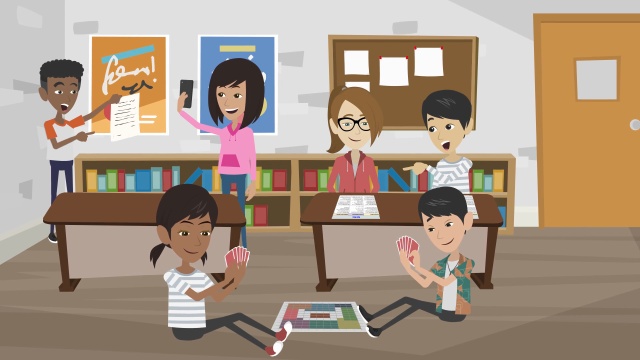 1:49
Math Menus
Present a variety of problem types (e.g., word problems, equations) aligned to the same concept on a "menu" to offer students choice in how they solve the problems.
1:49
Math Menus
Present a variety of problem types (e.g., word problems, equations) aligned to the same concept on a "menu" to offer students choice in how they solve the problems.
 1:54
Math Reflection Prompts
Guide students to reflect on their progress, challenges, and growth, which helps them build confidence and persistence in math.
1:54
Math Reflection Prompts
Guide students to reflect on their progress, challenges, and growth, which helps them build confidence and persistence in math.
 1:27
Math Stations
Students explore multiple methods for solving the same math problem or review multiple topics at various stations around the classroom.
1:27
Math Stations
Students explore multiple methods for solving the same math problem or review multiple topics at various stations around the classroom.
 1:37
My Favorite Mistake
Select an anonymous student solution and discuss as a class what the student understood well and identify a misstep to correct and learn from it together.
Normalize Errors
Lessen the sting of a wrong answer or a low grade to shift students' focus and attention to learning, rather than on continuously proving their capability.
1:37
My Favorite Mistake
Select an anonymous student solution and discuss as a class what the student understood well and identify a misstep to correct and learn from it together.
Normalize Errors
Lessen the sting of a wrong answer or a low grade to shift students' focus and attention to learning, rather than on continuously proving their capability.
 1:34
Open-Ended Math Tasks
Select math problems that offer students multiple pathways to explore a concept, solve a problem, or justify their reasoning.
Post-Unit Real-World Skill Connection
Build in time for students to think carefully about the relevance of new material to their lives and futures.
Teacher Actions || Student Actions
While planning lessons, proactively plan what you will do at different moments and the parallel actions students should take to mitigate confusion and maximize learning time.
1:34
Open-Ended Math Tasks
Select math problems that offer students multiple pathways to explore a concept, solve a problem, or justify their reasoning.
Post-Unit Real-World Skill Connection
Build in time for students to think carefully about the relevance of new material to their lives and futures.
Teacher Actions || Student Actions
While planning lessons, proactively plan what you will do at different moments and the parallel actions students should take to mitigate confusion and maximize learning time.
No matching practices.
Learning Conditions
14 learning conditions
Affirming Identities
Students feel more connected to and motivated in classes that recognize and affirm their backgrounds and identities.
Autonomy Over Process
Students feel more motivated and learn more independently in math classes where they are given opportunities to self-regulate and guide their own learning.
Classroom Community
Students feel safe to engage and succeed in school when the classroom environment encourages a sense of community and fosters mutual support among classmates.
Collaborative Learning
Students learn more in math classes where they learn collaboratively with peers.
Feedback For Growth
Students learn more effectively when their teachers set high expectations, recognize progress, and offer respectful, critical feedback to help students improve.
Learning from Misconceptions
Math is a subject that frequently requires deep conceptual revisions. Learning from and revising misconceptions is therefore key to the math learning process.
Learning Goals
Students learn more effectively when it is clear to them what they are supposed to be learning and how it fits into the big ideas of that subject area.
Math Affinity
Numerous studies show that identification with a subejct predicts engagement, achievement, and longterm interest in that subject.
Meaningful Work
Students are more motivated to learn when the work in class feels interesting and relevant to them.
Relevance of Math
Research shows that when students see how math matters for their life, they engage more deeply and learn more.
Student Voice
Students take ownership of their learning and are more actively engaged in their schoolwork when they have choices, share their ideas, and feel heard.
Supportive Teaching
Students learn more effectively and are more likely to feel valued when their teachers provide them with the instructional support to be successful.
Teacher Caring
Students engage more deeply in their work when they feel their teacher likes and cares about them.
Well-Organized Class
Students learn more effectively and are more motivated when the teacher develops routines and systems that contribute to the smooth functioning of the classroom.