

Learning Goals
Students learn more effectively when it is clear to them what they are supposed to be learning and how it fits into the big ideas of that subject area.
Survey Items for Grades 6-12
“I know how the new things we’re learning in this class connect to what we’ve learned before.”
“This teacher helps me see my progress as I learn more.”
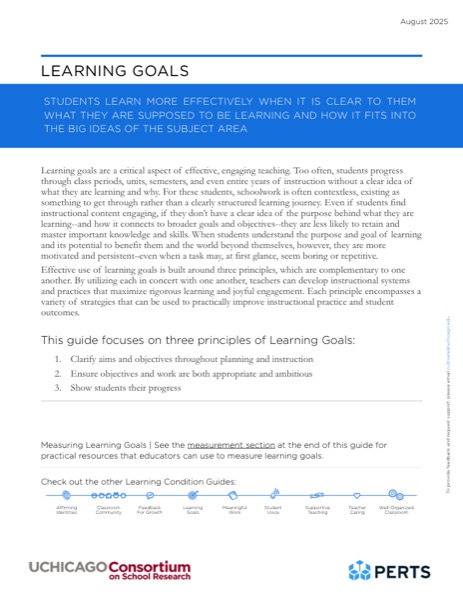
Learn more about this learning condition and the research behind it in the Learning Goals Guide. There are also survey items available for Grades 3-5.
Practices
11 practices
 1:22
Analyzing Exit Tickets
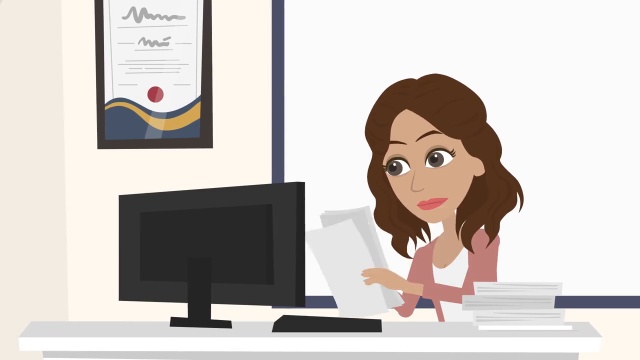
Use exit tickets to adjust the next lesson and provide students an opportunity to revise their exit ticket based on what they learned.
1:22
Analyzing Exit Tickets
Use exit tickets to adjust the next lesson and provide students an opportunity to revise their exit ticket based on what they learned.


 Anticipation Guide
A simple exercise to activate studentsʼ prior knowledge, build curiosity, and set a purpose for a lesson.
Anticipation Guide
A simple exercise to activate studentsʼ prior knowledge, build curiosity, and set a purpose for a lesson.
 Assessment Choice
Give students meaningful decision-making power in the classroom and ownership over their learning by allowing them to make choices about how they demonstrate mastery.
Assessment Choice
Give students meaningful decision-making power in the classroom and ownership over their learning by allowing them to make choices about how they demonstrate mastery.

 Exit Ticket to Do Now Cycle
Give students the opportunity to demonstrate their learning and address any misconceptions in a timely manner.
Exit Ticket to Do Now Cycle
Give students the opportunity to demonstrate their learning and address any misconceptions in a timely manner.
 Fist to Five
A quick and easy way to get a sense of studentsʼ understanding of each lesson and clarify misunderstandings in real time.
Highlight Mistakes
Help students prioritize their understanding of the content rather than anxiety over their performance or grade.
Fist to Five
A quick and easy way to get a sense of studentsʼ understanding of each lesson and clarify misunderstandings in real time.
Highlight Mistakes
Help students prioritize their understanding of the content rather than anxiety over their performance or grade.
 K-W-L Charts
Gauge students' background knowledge and interest in a topic or concept.
K-W-L Charts
Gauge students' background knowledge and interest in a topic or concept.
 1:16
Math Celebrations
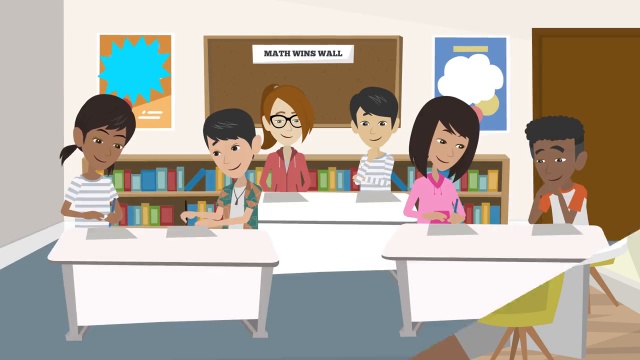
Invite students to write brief shoutouts celebrating the growth, progress, learning, and support of their peers.
1:16
Math Celebrations
Invite students to write brief shoutouts celebrating the growth, progress, learning, and support of their peers.
 1:49
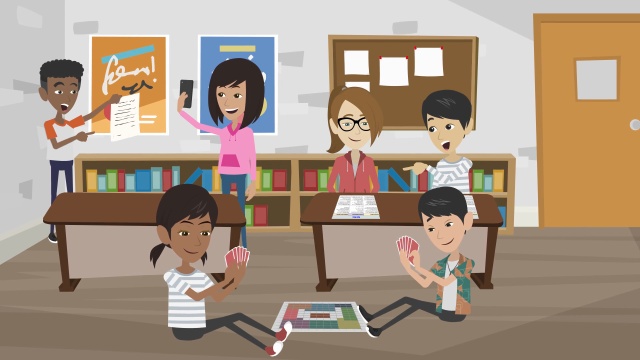
Math Menus
Present a variety of problem types (e.g., word problems, equations) aligned to the same concept on a "menu" to offer students choice in how they solve the problems.
1:49
Math Menus
Present a variety of problem types (e.g., word problems, equations) aligned to the same concept on a "menu" to offer students choice in how they solve the problems.
 1:54
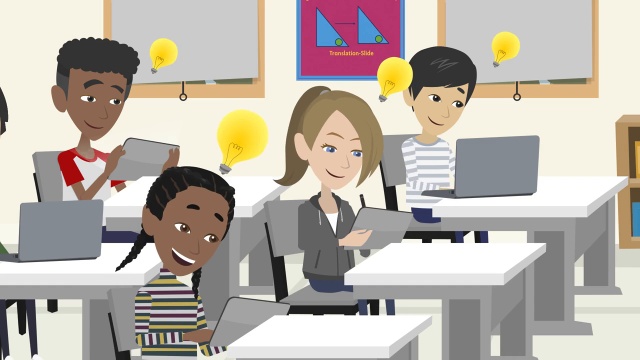
Math Reflection Prompts
Guide students to reflect on their progress, challenges, and growth, which helps them build confidence and persistence in math.
1:54
Math Reflection Prompts
Guide students to reflect on their progress, challenges, and growth, which helps them build confidence and persistence in math.
 1:27
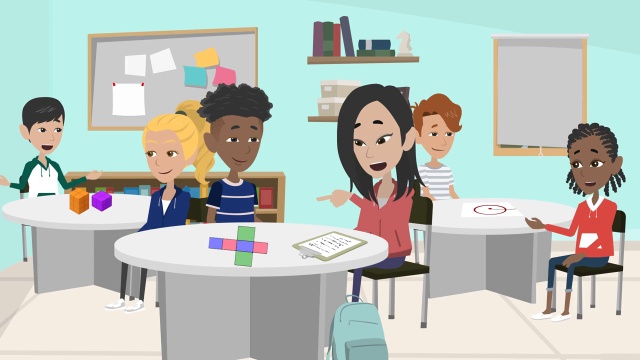
Math Stations
Students explore multiple methods for solving the same math problem or review multiple topics at various stations around the classroom.
1:27
Math Stations
Students explore multiple methods for solving the same math problem or review multiple topics at various stations around the classroom.
No matching practices.