

Affirming Identities
Students feel more connected to and motivated in classes that recognize and affirm their backgrounds and identities.
Survey Items for Grades 6-12
“This teacher makes sure different backgrounds and perspectives are valued and supported.”
“I see positive examples of people like me in the things we learn in this class.”
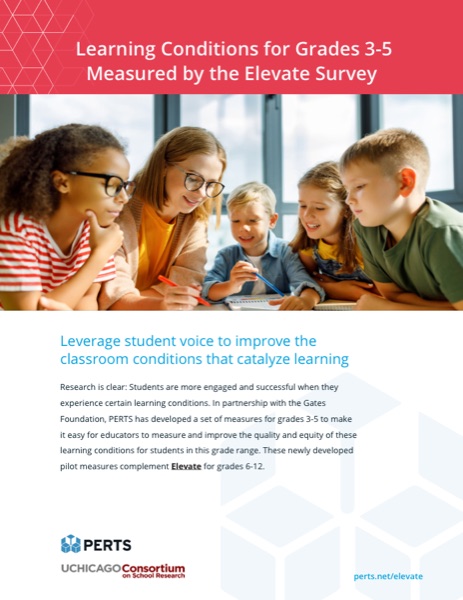
Learn more about this learning condition and the research behind it in the Affirming Identities Guide. There are also survey items available for Grades 3-5.
Practices
9 practices


 Classroom Circles
Build trust and connections among students through a routine of engaging in classroom conversations and discussions using a classroom circles protocol.
Classroom Circles
Build trust and connections among students through a routine of engaging in classroom conversations and discussions using a classroom circles protocol.
 Constructivist Listening Activity
Give students the opportunity to be heard and become better listeners through Constructivist Listening.
Constructivist Listening Activity
Give students the opportunity to be heard and become better listeners through Constructivist Listening.

 Content Area Exemplars
Provide students with examples of experts and role models who reflect a diversity of identities to invalidate stereotypes and ensure all students can see themselves in the curriculum.
Everything We Have in Common Activity
A simple activity to regularly gather information from students about their lives and interests, and sharing about your own, signals to students that you care about them.
Content Area Exemplars
Provide students with examples of experts and role models who reflect a diversity of identities to invalidate stereotypes and ensure all students can see themselves in the curriculum.
Everything We Have in Common Activity
A simple activity to regularly gather information from students about their lives and interests, and sharing about your own, signals to students that you care about them.
 1:58
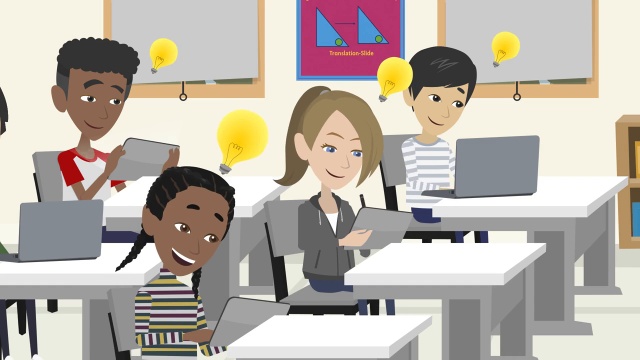
Math Conversations
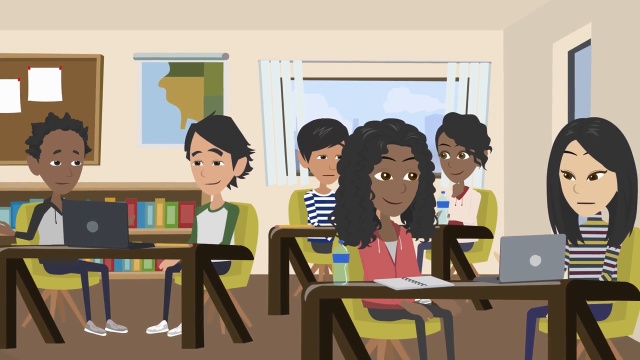
Students take on defined roles in pairs or groups to explain their reasoning, give feedback, and engage in meaningful dialogue.
1:58
Math Conversations
Students take on defined roles in pairs or groups to explain their reasoning, give feedback, and engage in meaningful dialogue.
 1:54
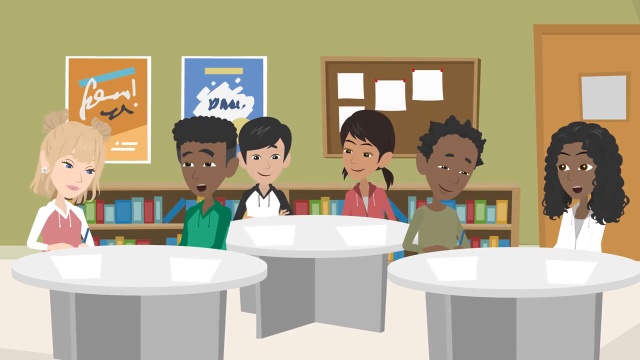
Math Reflection Prompts
Guide students to reflect on their progress, challenges, and growth, which helps them build confidence and persistence in math.
1:54
Math Reflection Prompts
Guide students to reflect on their progress, challenges, and growth, which helps them build confidence and persistence in math.
 1:37
My Favorite Mistake
Select an anonymous student solution and discuss as a class what the student understood well and identify a misstep to correct and learn from it together.
1:37
My Favorite Mistake
Select an anonymous student solution and discuss as a class what the student understood well and identify a misstep to correct and learn from it together.

 Normalize Errors
Lessen the sting of a wrong answer or a low grade to shift students' focus and attention to learning, rather than on continuously proving their capability.
Post-Unit Real-World Skill Connection
Build in time for students to think carefully about the relevance of new material to their lives and futures.
Normalize Errors
Lessen the sting of a wrong answer or a low grade to shift students' focus and attention to learning, rather than on continuously proving their capability.
Post-Unit Real-World Skill Connection
Build in time for students to think carefully about the relevance of new material to their lives and futures.
No matching practices.