

Well-Organized Class
Students learn more effectively and are more motivated when the teacher develops routines and systems that contribute to the smooth functioning of the classroom.
Survey Items for Grades 6-12
“I feel like this class is organized to help me do well.”
“This teacher does a good job keeping track of and returning our work.”
“It’s always clear what we’re supposed to be doing in this class.”
Learn more about this learning condition and the research behind it in the Well-Organized Class Guide. There are also survey items available for Grades 3-5.
Practices
9 practices



 Anticipation Guide
A simple exercise to activate studentsʼ prior knowledge, build curiosity, and set a purpose for a lesson.
Anticipation Guide
A simple exercise to activate studentsʼ prior knowledge, build curiosity, and set a purpose for a lesson.
 Class Organization Meeting
Learn directly from students what they feel they need to be successful in your class from an organizational standpoint in order to remove barriers to learning.
Class Organization Meeting
Learn directly from students what they feel they need to be successful in your class from an organizational standpoint in order to remove barriers to learning.
 Exit Ticket to Do Now Cycle
Give students the opportunity to demonstrate their learning and address any misconceptions in a timely manner.
Highlight Mistakes
Help students prioritize their understanding of the content rather than anxiety over their performance or grade.
Exit Ticket to Do Now Cycle
Give students the opportunity to demonstrate their learning and address any misconceptions in a timely manner.
Highlight Mistakes
Help students prioritize their understanding of the content rather than anxiety over their performance or grade.
 1:58
Math Conversations
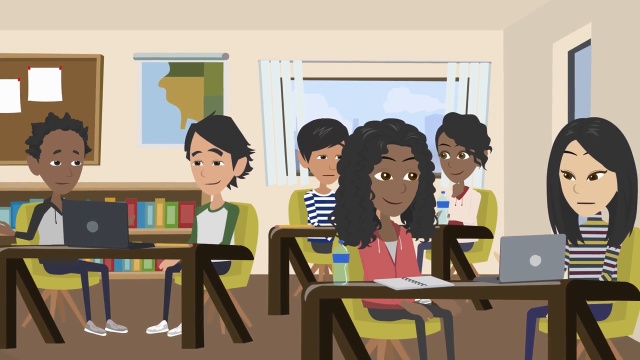
Students take on defined roles in pairs or groups to explain their reasoning, give feedback, and engage in meaningful dialogue.
1:58
Math Conversations
Students take on defined roles in pairs or groups to explain their reasoning, give feedback, and engage in meaningful dialogue.
 1:26
Math Gallery Walk
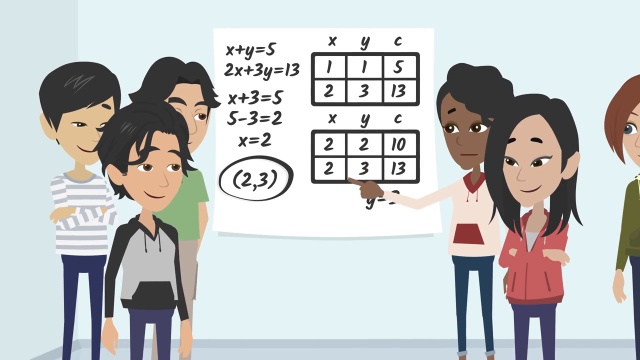
Students work in groups to solve a rich problem and create a visual display of their thinking, then rotate around the room to learn from other groups.
1:26
Math Gallery Walk
Students work in groups to solve a rich problem and create a visual display of their thinking, then rotate around the room to learn from other groups.
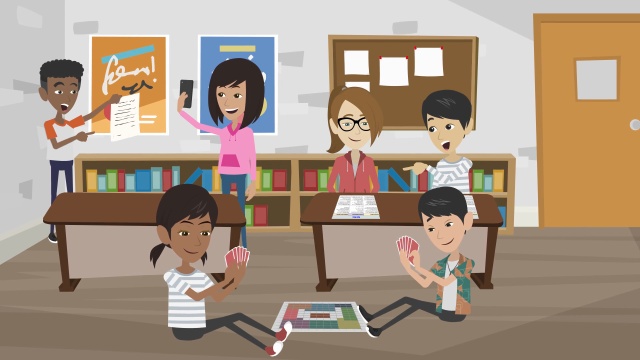 1:49
Math Menus
Present a variety of problem types (e.g., word problems, equations) aligned to the same concept on a "menu" to offer students choice in how they solve the problems.
1:49
Math Menus
Present a variety of problem types (e.g., word problems, equations) aligned to the same concept on a "menu" to offer students choice in how they solve the problems.
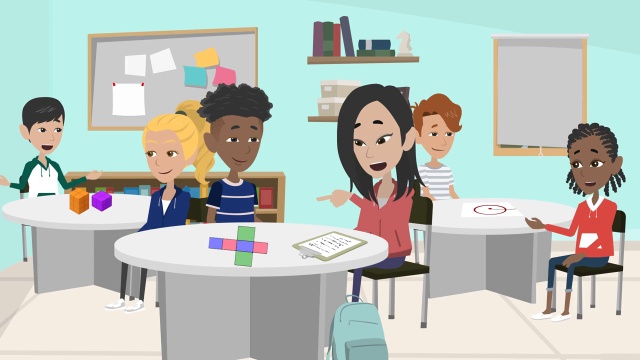 1:27
Math Stations
Students explore multiple methods for solving the same math problem or review multiple topics at various stations around the classroom.
Teacher Actions || Student Actions
While planning lessons, proactively plan what you will do at different moments and the parallel actions students should take to mitigate confusion and maximize learning time.
1:27
Math Stations
Students explore multiple methods for solving the same math problem or review multiple topics at various stations around the classroom.
Teacher Actions || Student Actions
While planning lessons, proactively plan what you will do at different moments and the parallel actions students should take to mitigate confusion and maximize learning time.
No matching practices.