

Supportive Teaching
Students learn more effectively and are more likely to feel valued when their teachers provide them with the instructional support to be successful.
Survey Items for Grades 6-12
“This teacher regularly checks in to make sure we understand the class material.”
“This teacher explains things in different ways if we’re confused.”
“This teacher knows my strengths and weaknesses in this class.”
Learn more about this learning condition and the research behind it in the Supportive Teaching Guide. There are also survey items available for Grades 3-5.
Practices
11 practices
 1:22
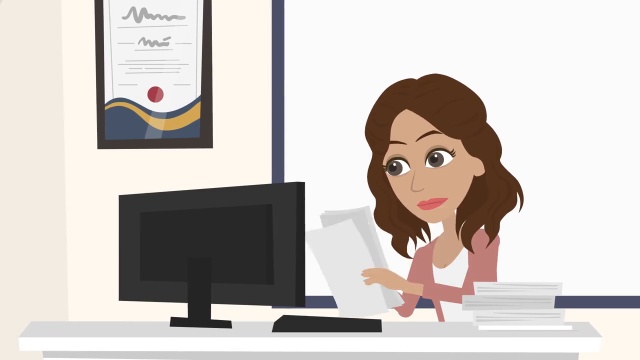
Analyzing Exit Tickets
Use exit tickets to adjust the next lesson and provide students an opportunity to revise their exit ticket based on what they learned.
1:22
Analyzing Exit Tickets
Use exit tickets to adjust the next lesson and provide students an opportunity to revise their exit ticket based on what they learned.


 Anticipation Guide
A simple exercise to activate studentsʼ prior knowledge, build curiosity, and set a purpose for a lesson.
Anticipation Guide
A simple exercise to activate studentsʼ prior knowledge, build curiosity, and set a purpose for a lesson.
 1:03
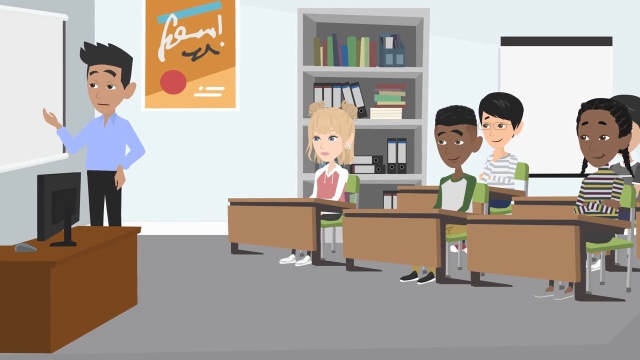
Diagnosing Errors
Help students learn from mistakes by analyzing incorrect solutions, discussing misconceptions, and explaining corrections.
1:03
Diagnosing Errors
Help students learn from mistakes by analyzing incorrect solutions, discussing misconceptions, and explaining corrections.

 Exit Ticket to Do Now Cycle
Give students the opportunity to demonstrate their learning and address any misconceptions in a timely manner.
Exit Ticket to Do Now Cycle
Give students the opportunity to demonstrate their learning and address any misconceptions in a timely manner.
 Fist to Five
A quick and easy way to get a sense of studentsʼ understanding of each lesson and clarify misunderstandings in real time.
Highlight Mistakes
Help students prioritize their understanding of the content rather than anxiety over their performance or grade.
Fist to Five
A quick and easy way to get a sense of studentsʼ understanding of each lesson and clarify misunderstandings in real time.
Highlight Mistakes
Help students prioritize their understanding of the content rather than anxiety over their performance or grade.
 K-W-L Charts
Gauge students' background knowledge and interest in a topic or concept.
K-W-L Charts
Gauge students' background knowledge and interest in a topic or concept.
 1:16
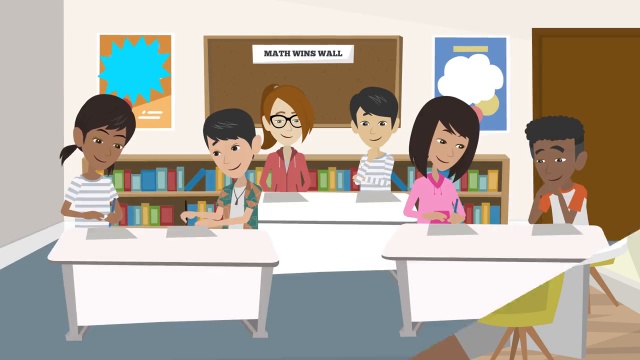
Math Celebrations
Invite students to write brief shoutouts celebrating the growth, progress, learning, and support of their peers.
1:16
Math Celebrations
Invite students to write brief shoutouts celebrating the growth, progress, learning, and support of their peers.
 1:54
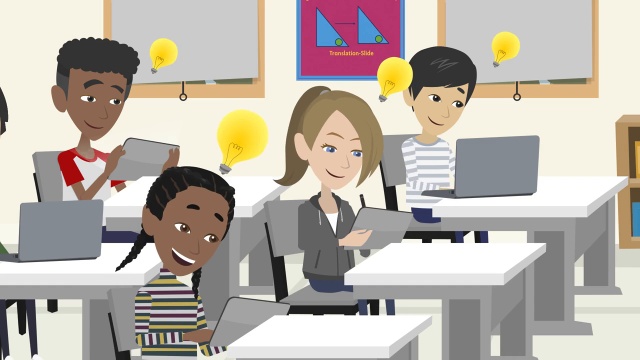
Math Reflection Prompts
Guide students to reflect on their progress, challenges, and growth, which helps them build confidence and persistence in math.
1:54
Math Reflection Prompts
Guide students to reflect on their progress, challenges, and growth, which helps them build confidence and persistence in math.
 Normalize Errors
Lessen the sting of a wrong answer or a low grade to shift students' focus and attention to learning, rather than on continuously proving their capability.
Teacher Actions || Student Actions
While planning lessons, proactively plan what you will do at different moments and the parallel actions students should take to mitigate confusion and maximize learning time.
Normalize Errors
Lessen the sting of a wrong answer or a low grade to shift students' focus and attention to learning, rather than on continuously proving their capability.
Teacher Actions || Student Actions
While planning lessons, proactively plan what you will do at different moments and the parallel actions students should take to mitigate confusion and maximize learning time.
No matching practices.