

Student Voice
Students take ownership of their learning and are more actively engaged in their schoolwork when they have choices, share their ideas, and feel heard.
Survey Items for Grades 6-12
“I have the opportunity to make choices about my work in this class.”
“In this class, my ideas are taken seriously.”
“This teacher responds to student suggestions to make our class better.”
Learn more about this learning condition and the research behind it in the Student Voice Guide. There are also survey items available for Grades 3-5.
Practices
13 practices


 Assessment Choice
Give students meaningful decision-making power in the classroom and ownership over their learning by allowing them to make choices about how they demonstrate mastery.
Assessment Choice
Give students meaningful decision-making power in the classroom and ownership over their learning by allowing them to make choices about how they demonstrate mastery.

 Chalk Talk
Students communicate with each other silently through writing, drawing, diagramming, or other written strategies.
Chalk Talk
Students communicate with each other silently through writing, drawing, diagramming, or other written strategies.
 Class Organization Meeting
Learn directly from students what they feel they need to be successful in your class from an organizational standpoint in order to remove barriers to learning.
Class Organization Meeting
Learn directly from students what they feel they need to be successful in your class from an organizational standpoint in order to remove barriers to learning.
 Classroom Circles
Build trust and connections among students through a routine of engaging in classroom conversations and discussions using a classroom circles protocol.
Classroom Circles
Build trust and connections among students through a routine of engaging in classroom conversations and discussions using a classroom circles protocol.
 1:01
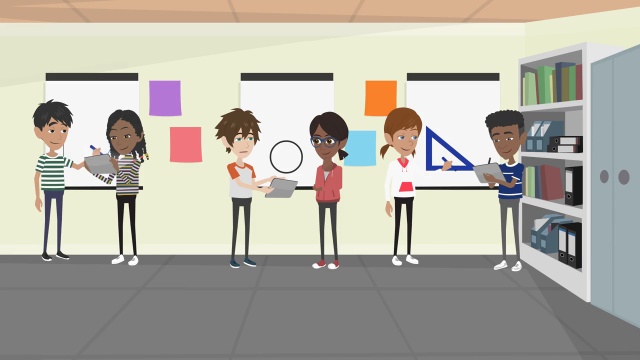
Collaborative Whiteboards
Students co-construct solutions in real-time with a partner or small group, engaging in discussion, teamwork, and rich math reasoning.
1:01
Collaborative Whiteboards
Students co-construct solutions in real-time with a partner or small group, engaging in discussion, teamwork, and rich math reasoning.
 Constructivist Listening Activity
Give students the opportunity to be heard and become better listeners through Constructivist Listening.
Constructivist Listening Activity
Give students the opportunity to be heard and become better listeners through Constructivist Listening.
 1:45
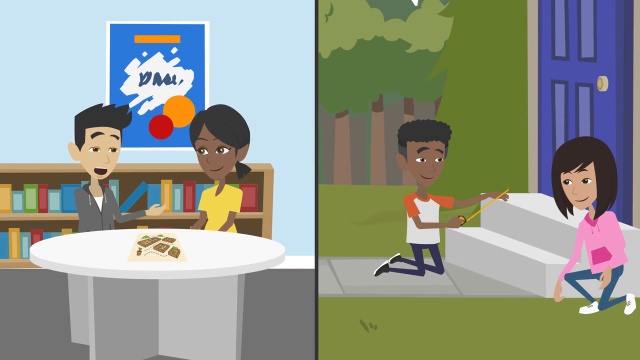
Designing with Math
A project-based learning strategy that invites students to apply mathematical concepts through real-world design challenges.
Everything We Have in Common Activity
A simple activity to regularly gather information from students about their lives and interests, and sharing about your own, signals to students that you care about them.
Increasing Student Choice
Incorporate a new opportunity for student choice in your classroom so that students feel more invested and engaged in their work
1:45
Designing with Math
A project-based learning strategy that invites students to apply mathematical concepts through real-world design challenges.
Everything We Have in Common Activity
A simple activity to regularly gather information from students about their lives and interests, and sharing about your own, signals to students that you care about them.
Increasing Student Choice
Incorporate a new opportunity for student choice in your classroom so that students feel more invested and engaged in their work
 1:58
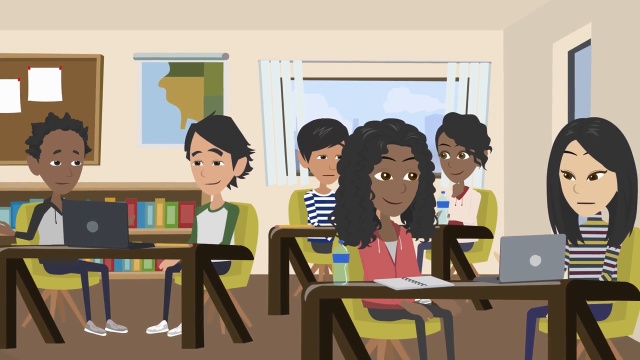
Math Conversations
Students take on defined roles in pairs or groups to explain their reasoning, give feedback, and engage in meaningful dialogue.
1:58
Math Conversations
Students take on defined roles in pairs or groups to explain their reasoning, give feedback, and engage in meaningful dialogue.
 1:26
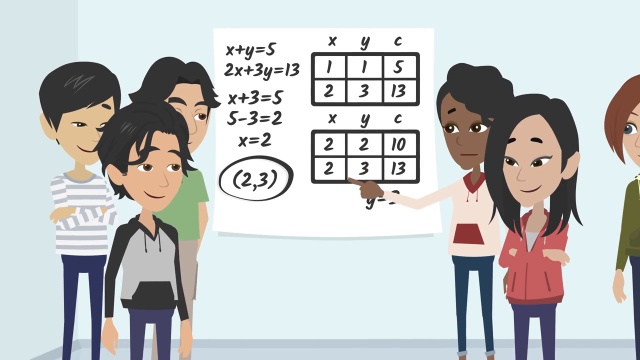
Math Gallery Walk
Students work in groups to solve a rich problem and create a visual display of their thinking, then rotate around the room to learn from other groups.
1:26
Math Gallery Walk
Students work in groups to solve a rich problem and create a visual display of their thinking, then rotate around the room to learn from other groups.
 1:49
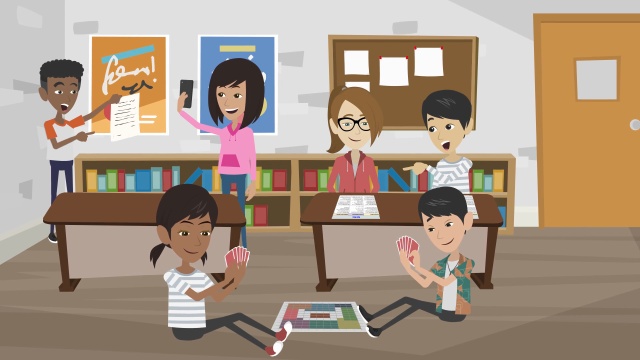
Math Menus
Present a variety of problem types (e.g., word problems, equations) aligned to the same concept on a "menu" to offer students choice in how they solve the problems.
1:49
Math Menus
Present a variety of problem types (e.g., word problems, equations) aligned to the same concept on a "menu" to offer students choice in how they solve the problems.
 1:37
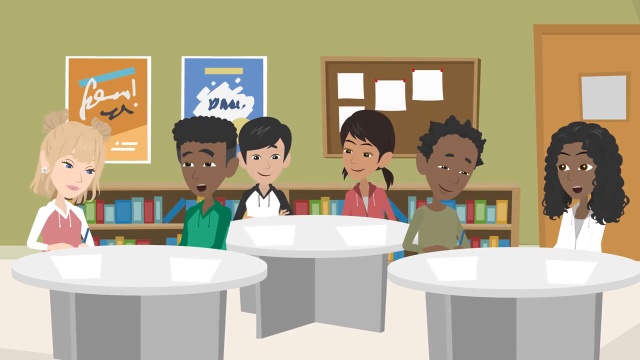
My Favorite Mistake
Select an anonymous student solution and discuss as a class what the student understood well and identify a misstep to correct and learn from it together.
1:37
My Favorite Mistake
Select an anonymous student solution and discuss as a class what the student understood well and identify a misstep to correct and learn from it together.
No matching practices.