

Feedback For Growth
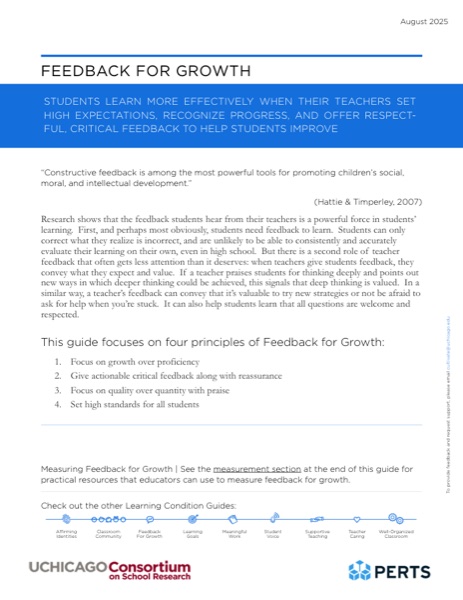
Students learn more effectively when their teachers set high expectations, recognize progress, and offer respectful, critical feedback to help students improve.
Survey Items for Grades 6-12
“In this class, it is more important to try than to get things right the first time.”
“This teacher lets me know they believe I can do well in this class.”
“I get specific suggestions about how to improve my work.”
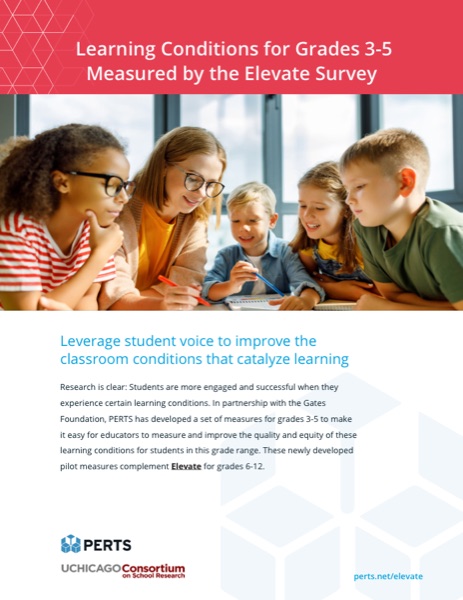
Learn more about this learning condition and the research behind it in the Feedback For Growth Guide. There are also survey items available for Grades 3-5.
Practices
11 practices

 Addressing Challenging Behavior
This practice offers strategies to help maintain your own growth mindset when addressing challenging behavior.
Addressing Challenging Behavior
This practice offers strategies to help maintain your own growth mindset when addressing challenging behavior.
 1:22
Analyzing Exit Tickets
Use exit tickets to adjust the next lesson and provide students an opportunity to revise their exit ticket based on what they learned.
1:22
Analyzing Exit Tickets
Use exit tickets to adjust the next lesson and provide students an opportunity to revise their exit ticket based on what they learned.
 1:03
Diagnosing Errors
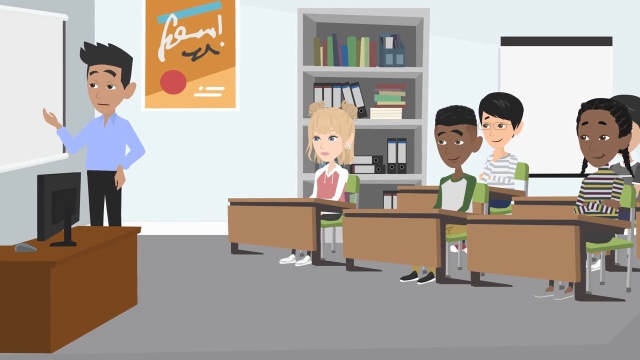
Help students learn from mistakes by analyzing incorrect solutions, discussing misconceptions, and explaining corrections.
1:03
Diagnosing Errors
Help students learn from mistakes by analyzing incorrect solutions, discussing misconceptions, and explaining corrections.


 Exit Ticket to Do Now Cycle
Give students the opportunity to demonstrate their learning and address any misconceptions in a timely manner.
Highlight Mistakes
Help students prioritize their understanding of the content rather than anxiety over their performance or grade.
Exit Ticket to Do Now Cycle
Give students the opportunity to demonstrate their learning and address any misconceptions in a timely manner.
Highlight Mistakes
Help students prioritize their understanding of the content rather than anxiety over their performance or grade.

 Invite Students to Use Feedback Protocols
Teach students to give and receive meaningful feedback.
Invite Students to Use Feedback Protocols
Teach students to give and receive meaningful feedback.
 1:16
Math Celebrations
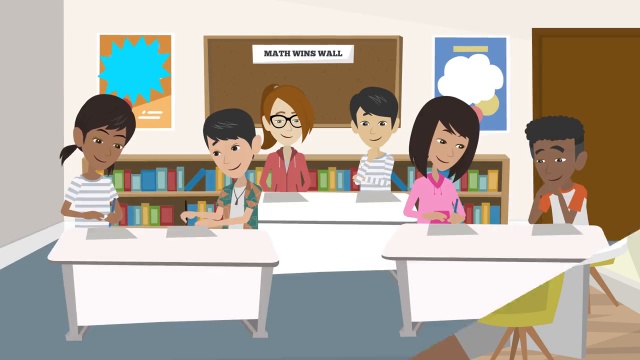
Invite students to write brief shoutouts celebrating the growth, progress, learning, and support of their peers.
1:16
Math Celebrations
Invite students to write brief shoutouts celebrating the growth, progress, learning, and support of their peers.
 1:26
Math Gallery Walk
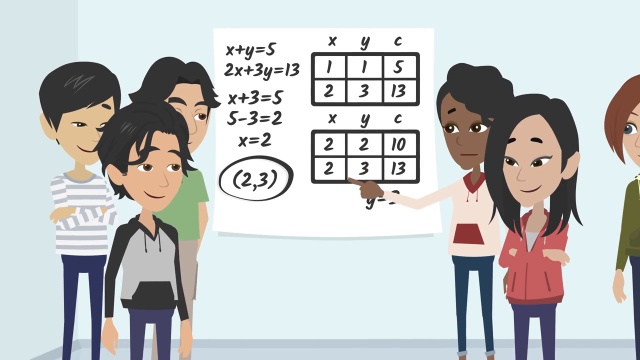
Students work in groups to solve a rich problem and create a visual display of their thinking, then rotate around the room to learn from other groups.
1:26
Math Gallery Walk
Students work in groups to solve a rich problem and create a visual display of their thinking, then rotate around the room to learn from other groups.
 1:27
Math Stations
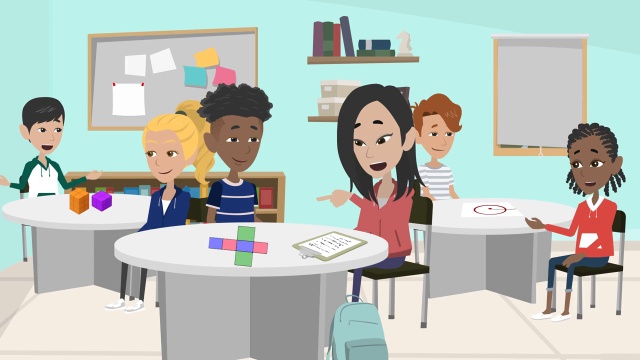
Students explore multiple methods for solving the same math problem or review multiple topics at various stations around the classroom.
1:27
Math Stations
Students explore multiple methods for solving the same math problem or review multiple topics at various stations around the classroom.
 1:37
My Favorite Mistake
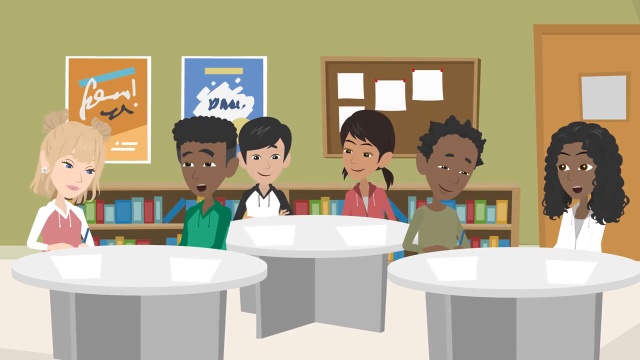
Select an anonymous student solution and discuss as a class what the student understood well and identify a misstep to correct and learn from it together.
1:37
My Favorite Mistake
Select an anonymous student solution and discuss as a class what the student understood well and identify a misstep to correct and learn from it together.
 Normalize Errors
Lessen the sting of a wrong answer or a low grade to shift students' focus and attention to learning, rather than on continuously proving their capability.
Normalize Errors
Lessen the sting of a wrong answer or a low grade to shift students' focus and attention to learning, rather than on continuously proving their capability.
No matching practices.